
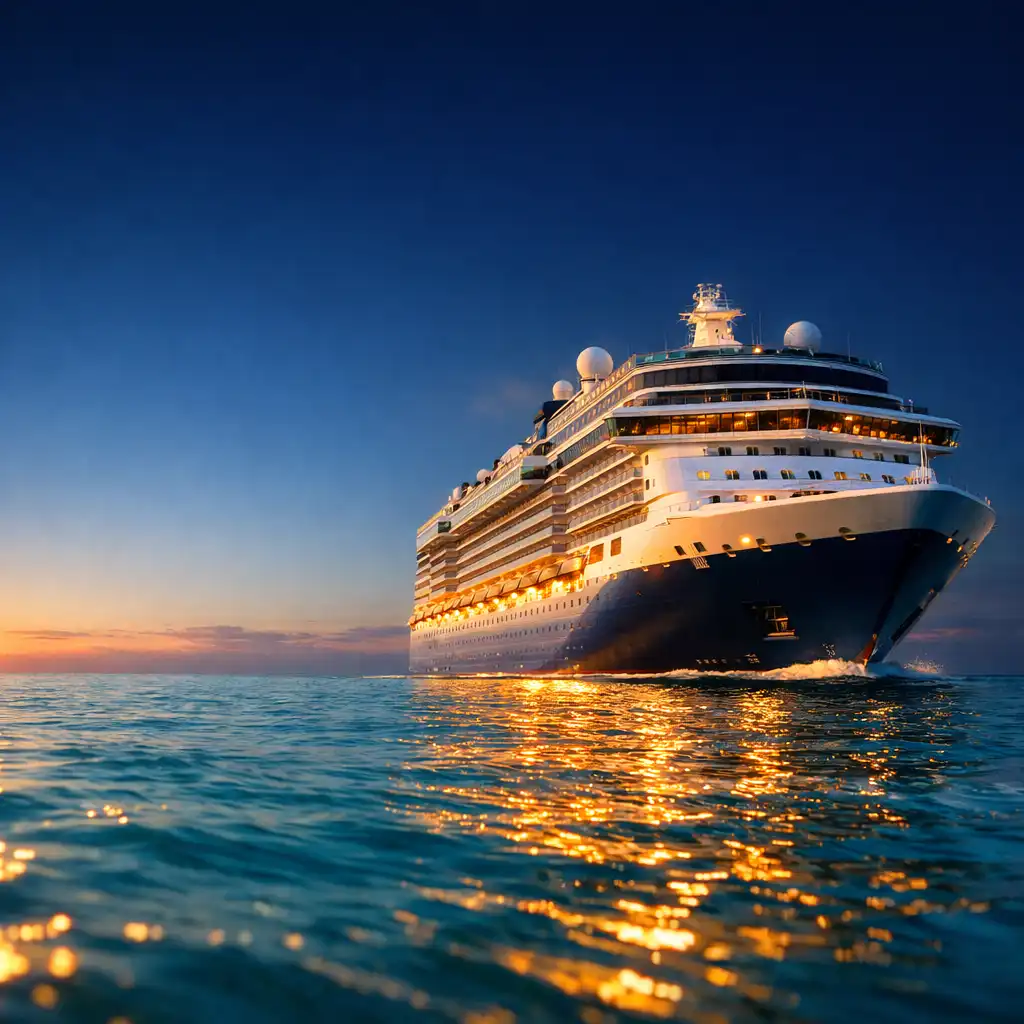
Cruise ship sailing on calm ocean at golden hour

Onboard Infrastructure

The Backbone of Your Cruise Experience

Onboard infrastructure encompasses all the physical spaces, systems, and facilities that make a cruise ship function as a floating resort. From the engineering decks below the waterline to the sun decks above, every element is designed to support comfort, safety, and enjoyment for thousands of passengers and crew.

Modern cruise ships are complex structures with multiple decks, zones, and systems working together. Infrastructure includes not only passenger-facing areas but also back-of-house operations that are largely invisible to guests. Understanding the layout and purpose of key facilities helps travelers navigate confidently and make the most of their time onboard.

Understanding Deck Plans and Ship Zones

A cruise ship is organized into decks and zones that shape how you experience every day onboard. Learning the basic layout helps you find your way, choose the right cabin, and move between venues without stress.

Deck Numbering and Naming Conventions

Most cruise ships use a numbering system for decks, often with names or themes such as Lido Deck or Promenade Deck. Lower decks typically house crew areas and some passenger cabins, while upper decks feature pools, buffets, and open-air spaces. Understanding this hierarchy helps you navigate quickly.

  • Deck numbers usually increase from bottom to top, with Deck 1 near the waterline.
  • Public areas are often concentrated on middle decks, while cabins span multiple decks.
  • Elevator lobbies and stairwells display deck plans and directional signage.

Forward, Midship, and Aft Zones

The ship is divided into forward, midship, and aft zones. Forward areas often feature observation lounges and theaters, midship is the hub of activity with atriums and dining, and aft offers outdoor terraces and casual venues.

  • Midship cabins are generally the most stable in rough seas.
  • Aft areas often have larger outdoor decks and wake views.
  • Forward areas may have more motion but offer panoramic views.

Public vs. Crew-Only Areas

Passengers have access to designated public areas, while crew-only zones such as engine rooms, galleys, and crew quarters are restricted. This separation ensures smooth operations and safety. Knowing the boundaries helps you respect crew spaces and understand the ship's scale.

  • Crew areas are often located on lower decks and forward sections.
  • Some ships offer behind-the-scenes tours for a fee.
  • Public areas are clearly marked on deck plans and signage.
Balcony cabins offer private outdoor space and fresh air.

Cabin Types and Accommodation

Cruise ships offer four primary cabin categories: inside cabins with no window, oceanview cabins with a window or porthole, balcony cabins with a private veranda, and suites with larger layouts and extra amenities. Each category varies in size, price, and location on the ship.

  • Inside cabins are the most affordable and often compact, ideal for travelers who spend little time in the room.
  • Oceanview cabins provide natural light and a view without a balcony.
  • Balcony cabins are popular for private outdoor space and fresh air.
  • Suites may include separate living areas, butler service, and access to exclusive lounges or restaurants.

Choosing the Right Cabin

  • Check deck plans to avoid cabins near noisy areas like nightclubs or engine rooms.
  • Some ships offer accessible cabins with wider doorways and roll-in showers.
  • Balcony cabins are worth the splurge for scenic itineraries.

Pools, Spas, and Wellness Facilities

Most cruise ships feature at least one main pool, often with additional pools for adults or families. Sun decks provide loungers, shaded areas, and sometimes hot tubs. Some ships have retractable roofs over pools for all-weather use, and poolside bars and casual dining are common.

  • Main pools are usually located on upper decks, often midship or aft.
  • Adult-only pools and solariums offer a quieter atmosphere.
  • Pool towels are provided, and some ships have towel stations.
  • Water slides and splash areas are common on family-oriented ships.

Onboard spas offer a range of treatments, from massages and facials to acupuncture and medi-spa services. Many ships also have thermal suites with heated loungers, saunas, steam rooms, and thalassotherapy pools. Access to thermal suites may require a day pass or be included with certain cabin categories.

  • Spa services are typically priced à la carte and can be booked in advance or onboard.
  • Thermal suite passes are often limited and sell out early.
  • Some ships offer complimentary sauna and steam rooms in the changing areas.
Thermal suites and spa pools offer a quiet retreat at sea.

Entertainment Venues and Theaters

From grand production shows to quiet lounges and high-energy outdoor activities, a cruise ship's entertainment infrastructure is designed to keep every traveler engaged from morning until late at night.

Main Theaters and Show Lounges

Most cruise ships have a large main theater that hosts Broadway-style production shows, comedians, magicians, and guest performers. These theaters often span two or three decks and feature stadium seating, advanced lighting, and sound systems. Showtimes are typically scheduled twice per evening to accommodate dining times.

  • Seating is usually open, so arrive early for the best spots.
  • Some ships offer reserved seating for suite guests or loyalty members.
  • Production shows may change nightly or every few days.

Lounges, Bars, and Nightclubs

In addition to the main theater, ships have multiple lounges and bars, each with a distinct theme and atmosphere. From piano bars and jazz clubs to high-energy nightclubs and quiet observation lounges, there is a venue for every mood. Many also host trivia, karaoke, and live music.

  • Lounges are often located on upper decks with panoramic views.
  • Nightclubs may have age restrictions after certain hours.
  • Some venues double as multi-purpose spaces for events and activities.

Outdoor Activity Areas

Modern ships feature a variety of outdoor entertainment and activity spaces, including sports courts, mini-golf, rock climbing walls, water parks, and even zip lines or go-kart tracks on some vessels. These areas are typically located on upper decks and are complimentary, though some activities may require reservations or have height and weight restrictions.

  • Sports courts often host basketball, volleyball, and pickleball.
  • Water parks and slides are popular with families.
  • Some activities like go-karts or laser tag may have an additional fee.
Main dining rooms and specialty restaurants anchor the onboard culinary experience.

Dining Venues and Culinary Infrastructure

Every cruise ship has at least one main dining room offering multi-course meals with rotating menus. Many ships also have a casual buffet open for breakfast, lunch, and dinner. Main dining rooms may use traditional fixed seating or flexible anytime dining, and dress codes vary by evening.

  • Main dining rooms are typically included in the cruise fare.
  • Buffets offer a wide variety of international cuisines and are popular for quick meals.
  • Some ships have multiple main dining rooms with different themes.

In addition to included dining, most ships offer specialty restaurants for an additional fee, such as steakhouses, Italian trattorias, sushi bars, and chef's table experiences. Casual venues like pizzerias, burger grills, and cafés are often complimentary or low-cost. Reservations are recommended for specialty dining.

  • Specialty dining fees vary by restaurant and ship.
  • Some cruise lines offer dining packages that bundle multiple specialty meals.
  • Casual venues may have extended hours for late-night snacks.

Accessibility and Safety Infrastructure

Modern cruise ships are engineered to welcome travelers with diverse needs while maintaining rigorous safety standards. Understanding these systems helps you plan with confidence and peace of mind.

Accessible Cabins and Public Areas

Cruise ships are designed to accommodate passengers with mobility, visual, and hearing impairments. Accessible cabins feature wider doorways, roll-in showers, grab bars, and lower closet rods. Public areas have ramps, elevators with Braille, and accessible restrooms. Some ships provide pool lifts and wheelchair-accessible tenders.

  • Accessible cabins must be booked in advance and may require documentation.
  • Service animals are permitted on most cruise lines with prior notice.
  • Assistive listening systems are available in theaters and other venues.

Safety Systems and Emergency Procedures

Safety is a top priority on cruise ships. Infrastructure includes fire detection and suppression systems, watertight compartments, lifeboats and life rafts, and advanced navigation equipment. Passengers are required to participate in a muster drill at the start of the cruise to learn emergency procedures and assembly stations.

  • Muster drills are mandatory and typically take place before departure.
  • Lifeboat capacity exceeds the total number of passengers and crew.
  • Ships have medical centers staffed by doctors and nurses.

Getting oriented on a large cruise ship can be daunting, but a few strategies can help you move around with ease and avoid common first-day frustrations.

  1. 1

    Study the deck plan before you board

    Familiarize yourself with the location of key venues relative to your cabin. Knowing which deck has the main dining room, pool, and theater saves time and reduces confusion during the first days.

  2. 2

    Download the cruise line's app

    Most cruise lines offer an app with deck plans, daily schedules, and real-time venue information. Use it to plan your day and find your way without carrying a paper map.

  3. 3

    Take a ship tour on embarkation day

    Many ships offer guided tours or open-house events on the first afternoon. Walking the public decks early helps you build a mental map and discover venues you might otherwise miss.

  4. 4

    Use the atrium or central staircase as a landmark

    Most ships have a central atrium or staircase that spans several decks. Use it as a reference point when giving or following directions, especially when elevators are busy.

  5. 5

    Allow extra time on the first few days

    Even experienced cruisers need time to adjust to a new ship's layout. Leave a few extra minutes when heading to dinner, shows, or shore excursion meeting points until the routes feel familiar.

Dive deeper into specific areas of onboard infrastructure with our detailed guides and reviews. Whether you're interested in cabin types, dining venues, entertainment options, or casino facilities, we have comprehensive resources to help you plan your perfect cruise.